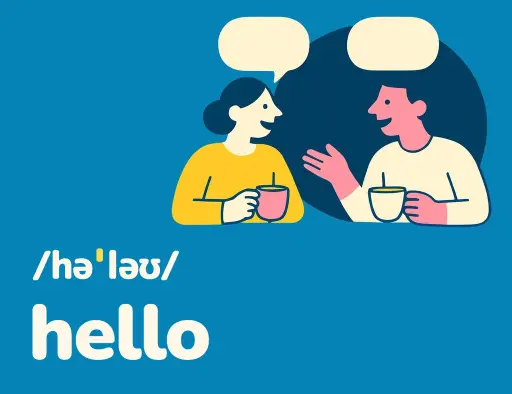
1000 Everyday Conversation Words
1 000 слов · 40 юнитов
0
Изучено слов
0
Выучено
0/40
Пройдено юнитов
Юниты
 1
Greetings and meeting people
 2
Introducing yourself
 3
Politeness, thanks and apologies
 4
Asking for and giving directions
 5
Getting around town
 6
At the airport
 7
At the hotel
 8
At the restaurant
 9
At the coffee shop
 10
At the supermarket
 11
Buying clothes
 12
Paying for things
 13
At the pharmacy
 14
Seeing the doctor
 15
Making a phone call
 16
Texting and social media
 17
Arranging to meet
 18
Telling the time
 19
Talking about the weather
 20
Hobbies and free time
 21
Family and relatives
 22
The home
 23
Housework
 24
In the classroom
 25
Learning English
 26
At work
 27
Job hunting and interviews
 28
Giving instructions
 29
Offers and invitations
 30
Agreeing and disagreeing
 31
Talking about feelings
 32
Praise and congratulations
 33
Making a complaint
 34
Emergencies
 35
At the bank and post office
 36
Things breaking and repairs
 37
Weekends and going out
 38
Travelling
 39
Shopping online
 40
Good wishes and goodbyes
Все слова (1000)
Британская транскрипция IPA и значение каждого слова по разделам.
Unit 1 · Greetings and meeting people
25 слов
- hello/həˈləʊ/interjThe word you say when you meet or call someone.
- hi/haɪ/interjA friendly word you say when you meet someone.
- good morning/ˌɡʊd ˈmɔːnɪŋ/phraseA greeting that people use before the middle of the day.
- good evening/ˌɡʊd ˈiːvnɪŋ/phraseA greeting that you use when you arrive at night.
- good night/ˌɡʊd ˈnaɪt/phraseSaid when you leave at night or before you sleep.
- morning/ˈmɔːnɪŋ/nounThe early part of the day, before noon.
- afternoon/ˌæftəˈnuːn/nounThe part of the day between midday and the evening.
- evening/ˈiːvnɪŋ/nounThe time between the end of the afternoon and bedtime.
- how are you/ˌhaʊ ə ˈjuː/phraseSaid to ask if someone is well and happy.
- nice to meet you/ˌnaɪs tə ˈmiːt juː/phraseSaid when you meet a person for the first time.
- this is/ˌðɪs ˈɪz/phraseUsed to tell people who someone else beside you is.
- thanks/θæŋks/interjA word you say to show that you are grateful.
- sorry/ˈsɒri/adjFeeling bad about something you did.
- excuse me/ɪkˈskjuːz mi/phraseSaid before you speak to a person you do not know.
- goodbye/ˌɡʊdˈbaɪ/interjThe word you say when you leave someone.
- see you later/ˌsiː juː ˈleɪtə/phraseSaid when you leave someone you will meet again soon.
- take care/ˌteɪk ˈkeə/phraseSaid kindly when you leave, meaning stay safe and well.
- long time no see/ˌlɒŋ taɪm nəʊ ˈsiː/idiomSaid when you meet someone after many months apart.
- good afternoon/ˌɡʊd ɑːftəˈnuːn/phraseA greeting used between midday and about six.
- how do you do/ˌhaʊ də ju ˈduː/phraseA very formal greeting used at a first meeting.
- nice to see you/ˌnaɪs tə ˈsiː ju/phraseSaid when you meet someone you already know.
- pleased to meet you/ˌpliːzd tə ˈmiːt ju/phraseA polite phrase used at a first introduction.
- see you soon/ˌsiː ju ˈsuːn/phraseA casual farewell meaning you will meet again shortly.
- have a nice day/ˌhæv ə ˌnaɪs ˈdeɪ/phraseA friendly wish said to someone who is leaving.
- what's up/ˌwɒts ˈʌp/phraseA very casual greeting used among close friends.
Unit 2 · Introducing yourself
25 слов
- my name is/ˌmaɪ ˈneɪm ɪz/phraseUsed to tell people the word that other people call you.
- what's your name/ˌwɒts jə ˈneɪm/phraseA question asking how someone is called.
- address/ˈæˌdres/nounThe details that show where a person or place is.
- first name/ˈfɜːst neɪm/nounThe personal name that comes before your family name.
- last name/ˈlɑːst neɪm/nounThe family name that you share with your parents.
- where are you from/ˌweə ə juː ˈfrʌm/phraseUsed to ask which country or town someone comes from.
- from/frʌm/prepShowing the place or time where something starts.
- country/ˈkʌntri/nounAn area of land with its own people and government.
- city/ˈsɪti/nounA large town where many people live and work.
- born/bɔːn/adjUsed to say when or where a person came into life.
- live/lɪv/verbTo have your home in a place.
- how old are you/ˌhaʊ ˈəʊld ə ju/phraseA question asking about the age of someone.
- years old/ˌjɪəz ˈəʊld/phraseUsed after a number to give the age of a person.
- age/eɪdʒ/nounThe number of years a person has lived.
- old/əʊld/adjHaving lived or existed for a long time.
- what do you do/ˌwɒt də ju ˈduː/phraseA question asking about the job of someone.
- work for/ˈwɜːk fə/phr.vTo be employed by a company or by a person.
- work/wɜːk/nounThe things you do to earn money.
- job/dʒɒb/nounThe paid position that a person has at a company.
- company/ˈkʌmpəni/nounAn organisation that sells goods or services.
- student/ˈstjuːdənt/nounA person who studies at a school or university.
- family/ˈfæməli/nounThe people you are related to, especially your parents, brothers and sisters.
- married/ˈmærid/adjHaving a husband or a wife.
- speak/spiːk/verbTo use your voice to make words.
- language/ˈlæŋɡwədʒ/nounThe system of words that people of one country use.
Unit 3 · Politeness, thanks and apologies
25 слов
- thank you/ˈθæŋk juː/phraseSaid to show you are grateful for something.
- you're welcome/jɔː ˈwelkəm/phraseSaid to answer someone who has thanked you.
- no problem/ˌnəʊ ˈprɒbləm/phraseUsed to say that helping someone is easy for you.
- my pleasure/maɪ ˈpleʒə/phraseA polite reply meaning you were glad to help.
- I'm sorry/ˌaɪm ˈsɒri/phraseUsed to say that you feel bad about something you did.
- that's all right/ˌðæts ɔːl ˈraɪt/phraseUsed to tell someone that you accept their apology.
- of course/əv ˈkɔːs/phraseUsed to say yes in a clear and friendly way.
- do you mind/ˌduː ju ˈmaɪnd/phraseA polite question asking whether something bothers someone.
- after you/ˈɑːftə juː/phraseA polite phrase that lets another person go first.
- sorry to bother you/ˌsɒri tə ˈbɒðə ju/phraseA polite way to begin when you interrupt a busy person.
- polite/pəˈlaɪt/adjCareful to speak and act in a way that pleases others.
- help/help/verbTo do something useful for someone who needs it.
- favour/ˈfeɪvə/nounA helpful thing that you do for someone.
- pardon/ˈpɑːdən/interjSaid to ask someone to say something again.
- apologize/əˈpɒlədʒaɪz/verbTo say that you are sorry for something you did.
- trouble/ˈtrʌbəl/nounA problem or a difficult situation.
- wait/weɪt/verbTo stay in a place until something happens.
- problem/ˈprɒbləm/nounSomething difficult that you must deal with.
- worry/ˈwʌri/verbTo feel unhappy because you think a problem may come.
- allow/əˈlaʊ/verbTo say that someone may do something.
- permission/pəˈmɪʃən/nounThe act of allowing someone to do something.
- don't mention it/ˌdəʊnt ˈmenʃən ɪt/phraseA reply meaning that no thanks are needed.
- I'm afraid/ˌaɪm əˈfreɪd/phraseA polite way of introducing bad news.
- the same to you/ðə ˌseɪm tə ˈjuː/phraseA reply that returns a good wish to the speaker.
- I beg your pardon/ˌaɪ beɡ jə ˈpɑːdən/phraseA very polite apology, or a request to repeat something.
Unit 4 · Asking for and giving directions
25 слов
- how do I get to/ˌhaʊ də aɪ ˈɡet tə/phraseA question asking someone the way to a place.
- turn left/ˌtɜːn ˈleft/phraseTo change direction towards the side of your heart.
- turn right/ˌtɜːn ˈraɪt/phraseTo change direction away from the side of your heart.
- go straight/ˌɡəʊ ˈstreɪt/phraseTo keep moving forward without changing direction.
- on the right/ˌɒn ðə ˈraɪt/phrasePlaced at the side away from your heart.
- next to/ˈnekst tuː/phraseAt the side of someone or something.
- over there/ˌəʊvə ˈðeə/phraseIn a place a short way from you that you point at.
- how far is it/ˌhaʊ ˈfɑː ɪz ɪt/phraseA question asking about the length of a journey.
- street/striːt/nounA road in a town with houses or shops on both sides.
- road/rəʊd/nounA hard surface that cars and buses travel on.
- left/left/adjOn the side of the body where the heart is.
- right/raɪt/adjCorrect; without any mistake.
- straight/streɪt/advIn a line, without turning to one side.
- turn/tɜːn/verbTo move so that you face another direction.
- corner/ˈkɔːnə/nounThe place where two streets or two walls meet.
- map/mæp/nounA drawing that shows where places are.
- near/nɪə/adjOnly a short distance away.
- far/fɑː/adjA long distance away.
- traffic/ˈtræfɪk/nounAll the cars and buses moving on a road.
- lights/laɪts/nounMore than one lamp or thing that gives brightness.
- block/blɒk/nounA group of buildings with streets on all sides.
- opposite/ˈɒpəzɪt/prepDirectly facing someone or something, across from it.
- lost/lɒst/adjNot knowing where you are or how to get somewhere.
- direction/dəˈrekʃən/nounThe way that someone or something moves or faces.
- straight ahead/ˌstreɪt əˈhed/phraseIn a line right in front of you.
Unit 5 · Getting around town
25 слов
- get on/ˌɡet ˈɒn/phr.vTo enter a bus, train or plane.
- get off/ˌɡet ˈɒf/phr.vTo leave a bus, train or plane.
- bus stop/ˈbʌs stɒp/nounA place at the roadside where people wait for buses.
- return ticket/rɪˌtɜːn ˈtɪkɪt/nounA ticket for a journey to a place and back.
- traffic jam/ˈtræfɪk dʒæm/nounA long line of cars that can hardly move.
- rush hour/ˈrʌʃ aʊə/nounThe busy time when people travel to or from work.
- subway/ˈsʌbˌweɪ/nounThe American word for an underground city railway.
- fare/feə/nounThe money you pay to travel on a bus or train.
- bus/bʌs/nounA large vehicle that carries many people along a road.
- train/treɪn/nounA long vehicle that runs on metal rails.
- taxi/ˈtæksi/nounA car with a driver that you pay to take you places.
- station/ˈsteɪʃən/nounA place where trains or buses stop for people.
- ticket/ˈtɪkət/nounA small paper that shows you have paid to travel.
- platform/ˈplætˌfɔːm/nounThe raised place beside a railway track where you wait.
- underground/ˈʌndəˌɡraʊnd/adjBelow the surface of the earth.
- driver/ˈdraɪvə/nounA person who controls a car, bus or train.
- passenger/ˈpæsəndʒə/nounA person who travels in a vehicle but does not drive it.
- arrive/əˈraɪv/verbTo reach the place you were going to.
- leave/liːv/verbTo go away from a place or a person.
- journey/ˈdʒɜːni/nounA long trip from one place to another far away.
- ride/raɪd/verbTo sit on an animal or bike and make it move.
- car/kɑː/nounA vehicle with four wheels that carries a few people.
- park/pɑːk/verbTo leave a car in a place and stop driving it.
- miss the bus/ˌmɪs ðə ˈbʌs/phraseTo arrive too late to get on a bus.
- on foot/ˌɒn ˈfʊt/phraseBy walking rather than by using a vehicle.
Unit 6 · At the airport
25 слов
- check in/ˌtʃek ˈɪn/phr.vTo tell staff you have arrived at an airport or hotel.
- boarding pass/ˈbɔːdɪŋ pɑːs/nounThe card that lets you enter a plane.
- hand luggage/ˈhænd lʌɡɪdʒ/nounThe small bag you keep with you on a plane.
- take off/ˌteɪk ˈɒf/phr.vTo leave the ground and begin to fly.
- on time/ˌɒn ˈtaɪm/phraseAt the right time; not late.
- aisle/aɪl/nounThe narrow path between rows of seats.
- visa/ˈviːzə/nounAn official mark in a passport that lets you enter a country.
- customs/ˈkʌstəmz/nounThe place at a border where officers look inside your bags.
- airport/ˈeəˌpɔːt/nounThe place where planes take off and land.
- plane/pleɪn/nounA vehicle with wings that carries people through the air.
- flight/flaɪt/nounA journey that you make in a plane.
- fly/flaɪ/verbTo move through the air using wings.
- gate/ɡeɪt/nounA door in a wall or fence that is outside a building.
- passport/ˈpɑːsˌpɔːt/nounA small book that lets you enter another country.
- luggage/ˈlʌɡədʒ/nounAll the bags that you take with you on a journey.
- suitcase/ˈsjuːtˌkeɪs/nounA large flat bag for clothes when you travel.
- security/sɪˈkjʊrəti/nounThings that are done to keep a place or people safe.
- departure/dɪˈpɑːtʃə/nounThe act of leaving a place to start a journey.
- arrival/əˈraɪvəl/nounThe act of coming to a place at the end of a journey.
- delay/dɪˈleɪ/verbTo make something happen later than it should.
- pilot/ˈpaɪlət/nounA person whose job is to fly a plane.
- airline/ˈeəˌlaɪn/nounA company that carries people and goods by plane.
- land/lænd/verbTo come down onto the ground from the air.
- boarding gate/ˈbɔːdɪŋ ɡeɪt/nounThe door at an airport where you enter the plane.
- duty free/ˌdjuːti ˈfriː/adjSold at an airport without the usual government tax.
Unit 7 · At the hotel
25 слов
- check out/ˌtʃek ˈaʊt/phr.vTo pay and leave a hotel at the end of a stay.
- single room/ˈsɪŋɡl ruːm/nounA hotel room with a bed for one person.
- double room/ˈdʌbl ruːm/nounA hotel room with a bed for two people.
- room service/ˈruːm sɜːvɪs/nounFood that staff bring up to you in a hotel.
- wake-up call/ˈweɪk ʌp kɔːl/nounA phone call that a hotel makes to get you out of bed.
- pillow/ˈpɪləʊ/nounA soft bag that you rest your head on in bed.
- elevator/ˈeləˌveɪtə/nounThe American word for a machine that carries people between floors.
- stairs/steəz/nounSteps that lead from one floor of a building to another.
- hotel/həʊˈtel/nounA building where you pay to sleep when you travel.
- room/ruːm/nounA part of a building with its own walls and door.
- book/bʊk/verbTo arrange a seat or room before you need it.
- reservation/ˌrezəˈveɪʃən/nounAn arrangement to keep a seat or a room for you.
- key/kiː/nounA small metal thing that opens a door.
- floor/flɔː/nounThe surface inside a building that you walk on.
- lift/lɪft/nounA machine that carries people up and down in a building.
- reception/rɪˈsepʃən/nounThe place near the door where visitors are welcomed.
- guest/ɡest/nounA person you ask to come to your home or party.
- towel/ˈtaʊəl/nounA soft cloth you use to make yourself dry.
- soap/səʊp/nounSomething you use with water to make things clean.
- shower/ˈʃaʊə/nounA thing in a bathroom that you stand under to wash.
- bed/bed/nounA piece of furniture that you sleep on.
- view/vjuː/nounEverything you can see from one place.
- breakfast/ˈbrekfəst/nounThe first meal of the day, eaten in the morning.
- included/ɪnˈkluːdɪd/adjCounted as part of a price, a group or a total.
- stay/steɪ/verbTo remain in one place and not leave.
Unit 8 · At the restaurant
25 слов
- I would like/ˌaɪ wəd ˈlaɪk/phraseA polite way of saying what you want.
- table for two/ˌteɪbl fə ˈtuː/phraseA request for seats for a pair of diners.
- eat out/ˌiːt ˈaʊt/phr.vTo eat in a restaurant instead of at home.
- starter/ˈstɑːtə/nounThe small first dish of a meal.
- dessert/dɪˈzɜːt/nounSweet food eaten at the end of a meal.
- waitress/ˈweɪtrəs/nounA woman who brings food to people in a restaurant.
- vegetarian/ˌvedʒɪˈteəriən/nounA person who never eats meat or fish.
- napkin/ˈnæpkɪn/nounA small cloth or paper for wiping your mouth at meals.
- restaurant/ˈrestərɒnt/nounA place where you buy a meal and eat it at a table.
- menu/ˈmenjuː/nounA list of the food you can order in a restaurant.
- order/ˈɔːdə/verbTo ask for food or drink in a restaurant.
- waiter/ˈweɪtə/nounA person who brings food to people in a restaurant.
- meal/miːl/nounThe food that you eat at one time, such as breakfast.
- drink/drɪŋk/verbTo take liquid into your body through your mouth.
- wine/waɪn/nounAn alcoholic drink made from grapes.
- spicy/ˈspaɪsi/adjHaving a strong taste that burns your mouth a little.
- delicious/dɪˈlɪʃəs/adjTasting very good.
- hungry/ˈhʌŋɡri/adjWanting to eat something.
- thirsty/ˈθɜːsti/adjFeeling that you need to drink something.
- fork/fɔːk/nounA tool with sharp points that you eat food with.
- knife/naɪf/nounA tool with a sharp edge for cutting food.
- spoon/spuːn/nounA tool with a small round end for eating liquid food.
- bill/bɪl/nounA paper that shows how much money you must pay.
- tip/tɪp/nounA small piece of useful advice about how to do something.
- main course/ˌmeɪn ˈkɔːs/nounThe largest dish of a meal, eaten after a starter.
Unit 9 · At the coffee shop
25 слов
- to go/tə ˈɡəʊ/phraseTaken away instead of eaten in the shop.
- anything else/ˈeniθɪŋ els/phraseA question asking whether more is wanted.
- here you are/ˌhɪə ju ˈɑː/phraseSaid when you hand something to another person.
- coffee shop/ˈkɒfi ʃɒp/nounA small place that sells hot drinks and cakes.
- mug/mʌɡ/nounA big cup with a handle, used for hot drinks.
- cookie/ˈkʊki/nounThe American word for a small sweet flat cake.
- straw/strɔː/nounA thin tube that you drink through.
- counter/ˈkaʊntə/nounThe long flat surface where you are served in a shop.
- coffee/ˈkɒfi/nounA hot brown drink made from roasted beans.
- tea/tiː/nounA hot drink made by putting dried leaves in water.
- milk/mɪlk/nounThe white drink that comes from cows.
- sugar/ˈʃʊɡə/nounA sweet white powder that people put in drinks.
- cup/kʌp/nounA small round container with a handle for hot drinks.
- cake/keɪk/nounA soft sweet food made in an oven for special days.
- biscuit/ˈbɪskət/nounA small thin hard cake that is usually sweet.
- sandwich/ˈsændwɪtʃ/nounTwo slices of bread with meat or cheese between them.
- juice/dʒuːs/nounThe liquid that comes out of fruit or vegetables.
- ice/aɪs/nounWater that has become hard because of cold.
- hot/hɒt/adjHaving a high temperature.
- warm/wɔːm/adjA little hot, in a way that feels good.
- size/saɪz/nounHow big or small something is.
- queue/kjuː/nounA line of people waiting for their turn.
- chat/tʃæt/verbTo talk in a friendly and relaxed way.
- friend/frend/nounSomeone you like and enjoy spending time with.
- sit/sɪt/verbTo rest on a chair with your body upright.
Unit 10 · At the supermarket
25 слов
- shopping list/ˈʃɒpɪŋ lɪst/nounA note of the things you plan to buy.
- checkout/ˈtʃekaʊt/nounThe place in a shop where you pay for goods.
- run out of/ˌrʌn ˈaʊt əv/phr.vTo use all of something so that none is left.
- trolley/ˈtrɒli/nounA metal cart that you push around a supermarket.
- basket/ˈbɑːskɪt/nounA container with a handle that you carry goods in.
- packet/ˈpækət/nounA small paper or plastic container for food.
- kilo/ˈkiːləʊ/nounA unit of weight equal to one thousand grams.
- litre/ˈliːtə/nounA unit for measuring liquid, about two pints.
- supermarket/ˈsuːpəˌmɑːkɪt/nounA large shop where you choose food and goods from shelves.
- shop/ʃɒp/nounA small building where people buy things.
- buy/baɪ/verbTo get something by paying money for it.
- price/praɪs/nounThe amount of money you must pay for something.
- cheap/tʃiːp/adjNot costing a lot of money.
- expensive/ɪkˈspensɪv/adjCosting a lot of money.
- fruit/fruːt/nounSweet food that grows on trees and plants.
- vegetable/ˈvedʒtəbəl/nounA plant or part of a plant that people eat with a meal.
- meat/miːt/nounFood that comes from the body of an animal.
- egg/eɡ/nounAn oval food from a hen, with a hard shell.
- bottle/ˈbɒtəl/nounA tall container with a narrow top for liquid.
- box/bɒks/nounA container with flat sides that holds things.
- tin/tɪn/nounA closed metal container that keeps food fresh.
- shelf/ʃelf/nounA flat board on a wall where you put things.
- fresh/freʃ/adjMade or picked a very short time ago; not old.
- frozen/ˈfrəʊzən/adjTurned hard and solid by cold; kept very cold.
- receipt/rɪˈsiːt/nounA paper that shows you have paid for something.
Unit 11 · Buying clothes
25 слов
- try on/ˌtraɪ ˈɒn/phr.vTo put clothes on in a shop to see if they are right.
- changing room/ˈtʃeɪndʒɪŋ ruːm/nounA small room in a shop where you put clothes on.
- how much is it/ˌhaʊ ˈmʌtʃ ɪz ɪt/phraseA question asking the price of something.
- on sale/ɒn ˈseɪl/phraseBeing sold for less money than before.
- too big/ˌtuː ˈbɪɡ/phraseLarger than you need or want.
- it suits you/ɪt ˈsuːts ju/phraseUsed to tell someone that clothes look good on them.
- put on/ˌpʊt ˈɒn/phr.vTo start wearing something on your body.
- take off/ˌteɪk ˈɒf/phr.vTo stop wearing something and move it off your body.
- clothes/kləʊðz/nounThe things people wear on their body.
- shirt/ʃɜːt/nounA piece of clothing with sleeves for the top of your body.
- trousers/ˈtraʊzəz/nounA piece of clothing that covers both legs from the waist down.
- jeans/dʒiːnz/nounTrousers made of strong cotton cloth, often blue.
- dress/dres/nounOne piece of clothing that covers the body and legs.
- shoes/ʃuːz/nounThe pair of things that you wear on your feet outdoors.
- jacket/ˈdʒækət/nounA short coat that ends near the middle of the body.
- coat/kəʊt/nounWarm clothing you wear over other clothes outside.
- sweater/ˈswetə/nounA warm piece of clothing with sleeves, worn on the top half.
- fit/fɪt/verbTo be the right size for a person or place.
- wear/weə/verbTo have clothes or shoes on your body.
- tight/taɪt/adjFitting closely, with little or no space left.
- loose/luːs/adjNot tight and not fixed firmly in place.
- half price/ˌhɑːf ˈpraɪs/phraseCosting only fifty per cent of the usual amount.
- second hand/ˌsekənd ˈhænd/adjOwned by another person before you; not new.
- brand new/ˌbrænd ˈnjuː/adjCompletely new and never used before.
- out of stock/ˌaʊt əv ˈstɒk/phraseNot available in the shop at the moment.
Unit 12 · Paying for things
25 слов
- how would you like to pay/ˌhaʊ wʊd ju ˈlaɪk tə peɪ/phraseA question a shop asks about your way of paying.
- pay by card/ˌpeɪ baɪ ˈkɑːd/phraseTo give money for something using a bank card.
- in cash/ɪn ˈkæʃ/phraseWith coins and paper money, not with a card.
- keep the change/ˌkiːp ðə ˈtʃeɪndʒ/phraseTold to a server so they may have the extra money.
- credit card/ˈkredɪt kɑːd/nounA plastic card that lets you buy now and pay later.
- cash machine/ˈkæʃ məʃiːn/nounA machine in a wall that gives you notes from your account.
- refund/ˈriːfʌnd/nounMoney given back to you when you return goods.
- free of charge/ˌfriː əv ˈtʃɑːdʒ/phraseCosting nothing at all.
- pay/peɪ/verbTo give money for something you buy.
- money/ˈmʌni/nounThe coins and paper notes people use to buy things.
- cash/kæʃ/nounMoney in coins and paper notes, not a card.
- card/kɑːd/nounA small piece of plastic that you use to pay.
- credit/ˈkredət/nounA way of buying now and paying the money later.
- coin/kɔɪn/nounA small round piece of metal used as money.
- cost/kɒst/verbTo have a certain price.
- spend/spend/verbTo use time or money for something.
- save/seɪv/verbTo keep money instead of spending it now.
- borrow/ˈbɒrəʊ/verbTo take something for a time and give it back later.
- lend/lend/verbTo let someone use your money or things for a time.
- owe/əʊ/verbTo have to pay money back to someone.
- bank/bæŋk/nounA place that keeps your money safe for you.
- cashier/kæˈʃɪə/nounThe person in a shop who takes your money.
- dollar/ˈdɒlə/nounThe unit of money used in America and some countries.
- pound/paʊnd/nounThe unit of money used in Britain.
- small change/ˌsmɔːl ˈtʃeɪndʒ/nounCoins of low value that you carry in a pocket.
Unit 13 · At the pharmacy
25 слов
- pharmacy/ˈfɑːməsi/nounA shop or counter where medicine is sold.
- chemist/ˈkemɪst/nounThe British word for a shop that sells medicine.
- pill/pɪl/nounA small round piece of medicine that you swallow.
- fever/ˈfiːvə/nounA body temperature that is higher than normal.
- prescription/prəˈskrɪpʃən/nounA paper from a doctor that lets you buy medicine.
- plaster/ˈplɑːstə/nounA small strip you stick over a cut on your skin.
- side effect/ˈsaɪd ɪfekt/nounAn unwanted result that a medicine can also cause.
- twice a day/ˌtwaɪs ə ˈdeɪ/phraseTwo times in each period of twenty-four hours.
- medicine/ˈmedəsən/nounSomething you take to feel better when you are ill.
- take medicine/ˌteɪk ˈmedɪsɪn/phraseTo swallow medicine so that you get better.
- cough/kɒf/verbTo push air out of your throat with a loud sound.
- flu/fluː/nounAn illness that gives you a fever and aching muscles.
- headache/ˈhedˌeɪk/nounA pain that you feel inside your head.
- stomach/ˈstʌmək/nounThe part of the body where food goes after you eat.
- pain/peɪn/nounThe bad feeling you have when part of your body hurts.
- hurt/hɜːt/verbTo feel pain, or to cause pain to someone.
- ill/ɪl/adjNot in good health; needing rest or medicine.
- sick/sɪk/adjNot healthy; having an illness.
- doctor/ˈdɒktə/nounA person whose job is to help sick people get well.
- temperature/ˈtemprətʃə/nounHow hot or cold something is, measured in degrees.
- sore/sɔː/adjPainful, especially when you touch or move it.
- throat/θrəʊt/nounThe passage inside your neck that food and air pass through.
- tired/ˈtaɪəd/adjNeeding rest or sleep.
- rest/rest/verbTo stop working so that your body can get strong again.
- sleep/sliːp/verbTo rest with your eyes closed for several hours.
Unit 14 · Seeing the doctor
25 слов
- make an appointment/ˌmeɪk ən əˈpɔɪntmənt/phraseTo arrange a set time to see someone.
- what's wrong/ˌwɒts ˈrɒŋ/phraseA question asking what the problem is.
- how do you feel/ˌhaʊ də ju ˈfiːl/phraseA question asking about someone's health right now.
- see a doctor/ˌsiː ə ˈdɒktə/phraseTo go to a doctor because you are unwell.
- clinic/ˈklɪnɪk/nounA small place where people go for medical treatment.
- injection/ɪnˈdʒekʃən/nounMedicine that is put into your body with a needle.
- allergic/əˈlɜːdʒɪk/adjReacting badly to a food, an animal or a medicine.
- dizzy/ˈdɪzi/adjFeeling that everything around you is turning.
- appointment/əˈpɔɪntmənt/nounAn arrangement to meet someone at a set time.
- nurse/nɜːs/nounA person whose job is caring for sick people.
- hospital/ˈhɒspɪtəl/nounA large building where sick people get help from doctors.
- examine/ɪɡˈzæmɪn/verbTo look at something carefully in order to learn about it.
- health/helθ/nounHow well or badly your body is working.
- blood/blʌd/nounThe red liquid that flows through the body.
- breathe/briːð/verbTo take air into your body and let it out again.
- chest/tʃest/nounThe front part of your body between the neck and waist.
- heart/hɑːt/nounThe body part that moves blood around inside you.
- back/bæk/nounThe part of your body behind you, from neck to waist.
- leg/leɡ/nounOne of the two long parts of the body you stand on.
- arm/ɑːm/nounThe long part of your body between shoulder and hand.
- broken/ˈbrəʊkən/adjDamaged and not working any more.
- weak/wiːk/adjNot having much strength or power.
- get better/ˌɡet ˈbetə/phraseTo become healthy again after being unwell.
- feel sick/ˌfiːl ˈsɪk/phraseTo be aware that your body is not well.
- result/rɪˈzʌlt/nounWhat you get at the end, such as a mark in a test.
Unit 15 · Making a phone call
25 слов
- can I speak to/kən ˌaɪ ˈspiːk tə/phraseA polite request to talk to a named person by phone.
- hold on/ˌhəʊld ˈɒn/phr.vTo wait for a short time on the phone.
- hang up/ˌhæŋ ˈʌp/phr.vTo end a phone call.
- call back/ˌkɔːl ˈbæk/phr.vTo telephone someone again at a later time.
- leave a message/ˌliːv ə ˈmesɪdʒ/phraseTo record words for someone who is not there.
- wrong number/ˌrɒŋ ˈnʌmbə/nounA telephone number that is not the one you wanted.
- speak up/ˌspiːk ˈʌp/phr.vTo talk more loudly so that people can hear you.
- dial/ˈdaɪəl/verbTo press the numbers in order to make a phone call.
- phone/fəʊn/nounA small device that you use to talk to people far away.
- call/kɔːl/verbTo speak to someone using a phone.
- answer/ˈɑːnsə/nounWhat you say or write when someone asks you something.
- message/ˈmesədʒ/nounA short piece of writing that you send to someone.
- voice/vɔɪs/nounThe sound you make when you speak or sing.
- number/ˈnʌmbə/nounA word or sign that shows how many there are.
- line/laɪn/nounA long thin mark drawn on a surface.
- busy/ˈbɪzi/adjHaving a lot of things to do.
- signal/ˈsɪɡnəl/nounA movement or light that tells someone to do something.
- battery/ˈbætəri/nounA thing that stores electric power for a machine.
- hear/hɪə/verbTo notice a sound with your ears.
- repeat/rɪˈpiːt/verbTo say or do the same thing one more time.
- later/ˈleɪtə/advAt a time after the time you are talking about.
- text/tekst/nounThe written words in a book, a letter or on a screen.
- send/send/verbTo make something go from one place to another.
- receive/rəˈsiːv/verbTo get something that someone sends or gives you.
- back/bæk/advTo the place or state you were in before.
Unit 16 · Texting and social media
25 слов
- text message/ˈtekst mesɪdʒ/nounA short written note sent from one phone to another.
- social media/ˌsəʊʃəl ˈmiːdiə/nounWebsites and apps where people share news with each other.
- keep in touch/ˌkiːp ɪn ˈtʌtʃ/phraseTo stay in regular contact with someone.
- get in touch/ˌɡet ɪn ˈtʌtʃ/phraseTo begin to contact someone by phone or writing.
- sign up/ˌsaɪn ˈʌp/phr.vTo put your name on a list in order to join something.
- delete/dɪˈliːt/verbTo remove something from a computer or a phone.
- upload/ˈʌˌpləʊd/verbTo copy a file from your device onto the internet.
- on line/ˌɒn ˈlaɪn/phraseWaiting in a row of people, in American English.
- email/iˈmeɪl/nounA message that you send from one computer to another.
- internet/ˈɪntəˌnet/nounThe system that joins computers all over the world.
- online/ˌɒnˈlaɪn/adjJoined to the internet and able to use it.
- app/æp/nounA small program you open on a phone.
- screen/skriːn/nounThe flat part of a phone or computer that you look at.
- type/taɪp/verbTo write using the keys on a computer.
- reply/rɪˈplaɪ/verbTo say or write something as an answer.
- attach/əˈtætʃ/verbTo join or fix one thing to another.
- file/faɪl/nounA set of information kept on a computer under one name.
- photo/ˈfəʊˌtəʊ/nounA picture that you make with a camera.
- video/ˈvɪdiəʊ/nounMoving pictures that you watch on a screen.
- share/ʃeə/verbTo give part of something to another person.
- comment/ˈkɒment/nounSomething you say or write to give an opinion.
- profile/ˈprəʊˌfaɪl/nounA short description of a person, often on a website.
- download/ˈdaʊnˌləʊd/verbTo copy something from the internet onto your phone.
- log in/ˌlɒɡ ˈɪn/phr.vTo enter your name and secret word to open an account.
- send a message/ˌsend ə ˈmesɪdʒ/phraseTo write to someone using a phone or computer.
Unit 17 · Arranging to meet
25 слов
- are you free/ˌɑː ju ˈfriː/phraseA question asking whether someone has spare time.
- how about/ˌhaʊ əˈbaʊt/phraseUsed to suggest an idea to another person.
- let's meet/ˌlets ˈmiːt/phraseA suggestion that you and the listener come together.
- see you then/ˌsiː ju ˈðen/phraseA farewell confirming a meeting you have agreed.
- make it/ˌmeɪk ˈɪt/phraseTo be able to come to an arranged event.
- be on time/ˌbi ɒn ˈtaɪm/phraseTo arrive at exactly the agreed moment.
- cancel/ˈkænsəl/verbTo say that a planned event will not happen.
- what about/ˌwɒt əˈbaʊt/phraseUsed to raise another point or another choice.
- meet/miːt/verbTo come together with someone at the same place.
- plan/plæn/nounAn idea about what you will do later.
- free/friː/adjNot busy; having no work to do at that time.
- tomorrow/təˈmɒrəʊ/advOn the day after today.
- tonight/təˈnaɪt/advOn the evening or night of today.
- weekend/ˈwiːˌkend/nounSaturday and Sunday, when most people do not work.
- date/deɪt/nounThe number of a day shown with its month and year.
- time/taɪm/nounWhat we measure in minutes, hours, days and years.
- place/pleɪs/nounA particular area or position.
- invite/ɪnˈvaɪt/verbTo ask someone to come to an event.
- join/dʒɔɪn/verbTo start doing something together with other people.
- confirm/kənˈfɜːm/verbTo say that something is definitely true or will happen.
- arrange/əˈreɪndʒ/verbTo plan the details of something that will happen.
- available/əˈveɪləbəl/adjThere for people to buy or use right now.
- perhaps/pəˈhæps/advUsed to say that something may be so.
- look forward to/ˌlʊk ˈfɔːwəd tuː/phraseTo feel happy about something that will happen.
- put off/ˌpʊt ˈɒf/phr.vTo move something to a later day or time.
Unit 18 · Telling the time
25 слов
- what time/ˌwɒt ˈtaɪm/phraseA question asking the hour shown on a clock.
- half past/ˌhɑːf ˈpɑːst/phraseThirty minutes after the hour.
- quarter past/ˌkwɔːtə ˈpɑːst/phraseFifteen minutes after the hour.
- quarter to/ˈkwɔːtə tə/phraseFifteen minutes before the hour.
- on the dot/ˌɒn ðə ˈdɒt/phraseAt exactly the stated hour, not a moment later.
- in a minute/ˌɪn ə ˈmɪnɪt/phraseVery soon, after only a short wait.
- these days/ˌðiːz ˈdeɪz/phraseIn the present period, unlike in the past.
- noon/nuːn/nounTwelve o'clock in the middle of the day.
- clock/klɒk/nounA machine on a wall or table that shows the time.
- hour/ˈaʊə/nounA period of sixty minutes.
- minute/ˈmɪnət/nounA period of sixty seconds.
- second/ˈsekənd/nounA very short unit of time; sixty of them make a minute.
- midnight/ˈmɪdˌnaɪt/nounTwelve o'clock in the middle of the night.
- day/deɪ/nounA period of twenty-four hours.
- week/wiːk/nounA period of seven days.
- month/mʌnθ/nounOne of the twelve periods that make a year.
- today/təˈdeɪ/advOn this day.
- yesterday/ˈjestəˌdeɪ/advOn the day before today.
- soon/suːn/advIn a short time from now.
- always/ˈɔːlˌweɪz/advAt all times; every time.
- never/ˈnevə/advAt no time; not once.
- often/ˈɒfən/advMany times; on many occasions.
- usually/ˈjuːʒəwəli/advMost of the time; in the way that is normal.
- all day/ˌɔːl ˈdeɪ/phraseFrom the morning until the night, without stopping.
- at the moment/ət ðə ˈməʊmənt/phraseRight now, at this time.
Unit 19 · Talking about the weather
25 слов
- sunny/ˈsʌni/adjWith bright light from the sun and few clouds.
- cloudy/ˈklaʊdi/adjWith many clouds and little blue sky.
- windy/ˈwɪndi/adjWith a lot of moving air outside.
- rainy/ˈreɪni/adjWith a lot of water falling from the sky.
- freezing/ˈfriːzɪŋ/adjExtremely cold, at or below zero degrees.
- weather forecast/ˈweðə fɔːkɑːst/nounA report saying what the sky and air will do.
- warm up/ˌwɔːm ˈʌp/phr.vTo become, or to make something, hotter than before.
- clear up/ˌklɪər ˈʌp/phr.vTo become bright and dry after rain.
- weather/ˈweðə/nounHow hot, cold, wet or dry the air outside is.
- rain/reɪn/nounWater that falls from clouds in small drops.
- snow/snəʊ/nounSoft white pieces of frozen water that fall from the sky.
- wind/wɪnd/nounAir that moves quickly outside.
- sun/sʌn/nounThe bright star in the sky that gives us light and heat.
- cloud/klaʊd/nounA white or grey mass of water drops floating in the sky.
- storm/stɔːm/nounVery bad weather with strong wind and heavy rain.
- cool/kuːl/adjA little cold, in a way that feels good.
- wet/wet/adjCovered with water or another liquid.
- dry/draɪ/adjNot wet; with no water on it.
- degree/dɪˈɡriː/nounA unit for measuring temperature or the size of angles.
- umbrella/əmˈbrelə/nounA thing you hold over your head to keep dry in the rain.
- season/ˈsiːzən/nounOne of the four parts of the year, such as summer.
- summer/ˈsʌmə/nounThe hottest season of the year.
- winter/ˈwɪntə/nounThe coldest season of the year.
- it is raining/ɪt ɪz ˈreɪnɪŋ/phraseThe words you use to say that rain is falling now.
- look like/ˈlʊk laɪk/phr.vTo have a similar appearance to someone or something.
Unit 20 · Hobbies and free time
25 слов
- in my free time/ɪn maɪ ˌfriː ˈtaɪm/phraseDuring the hours when I have no work to do.
- be into/ˌbi ˈɪntə/phraseTo be very interested in an activity.
- keen on/ˈkiːn ɒn/phraseLiking something a lot and wanting to do it.
- take up/ˌteɪk ˈʌp/phr.vTo start a new hobby or activity.
- play the guitar/ˌpleɪ ðə ɡɪˈtɑː/phraseTo make music on a guitar.
- spend time/ˌspend ˈtaɪm/phraseTo use hours doing one particular thing.
- go for a walk/ˌɡəʊ fər ə ˈwɔːk/phraseTo leave the house and walk for pleasure.
- have a go/ˌhæv ə ˈɡəʊ/phraseTo try doing something for the first time.
- hobby/ˈhɒbi/nounAn activity you enjoy doing in your free time.
- music/ˈmjuːzɪk/nounPleasant sounds made by voices or instruments.
- song/sɒŋ/nounA short piece of music with words that you sing.
- film/fɪlm/nounA story told with moving pictures on a screen.
- read/riːd/verbTo look at written words and understand them.
- draw/drɔː/verbTo make a picture with a pen or pencil.
- paint/peɪnt/verbTo put colour on a wall or on paper with a brush.
- dance/dɑːns/verbTo move your body in time with music.
- sing/sɪŋ/verbTo make music with your voice.
- play/pleɪ/verbTo take part in a game or make music.
- game/ɡeɪm/nounAn activity with rules that people play for fun.
- sport/spɔːt/nounA physical activity with rules, like football or tennis.
- photography/fəˈtɒɡrəfi/nounThe art or the job of taking photographs.
- collect/kəˈlekt/verbTo bring things together from different places.
- enjoy/ˌenˈdʒɔɪ/verbTo get pleasure from something.
- favourite/ˈfeɪvərɪt/adjLiked more than all the others.
- be good at/bi ˈɡʊd ət/phraseTo have skill in doing a certain thing.
Unit 21 · Family and relatives
25 слов
- take after/ˌteɪk ˈɑːftə/phr.vTo look or behave like an older relative.
- bring up/ˌbrɪŋ ˈʌp/phr.vTo care for a child until it is grown.
- only child/ˌəʊnli ˈtʃaɪld/nounA child who has no brothers or sisters.
- the eldest/ði ˈeldəst/phraseThe oldest of three or more children in a family.
- nephew/ˈnefjuː/nounThe son of your brother or your sister.
- niece/niːs/nounThe daughter of your brother or your sister.
- get along with/ˌɡet əˈlɒŋ wɪð/phr.vTo have a friendly relationship with another person.
- mother-in-law/ˈmʌðər ɪn lɔː/nounThe mother of your husband or your wife.
- mother/ˈmʌðə/nounA woman who has children of her own.
- father/ˈfɑːðə/nounA man who has children of his own.
- parent/ˈpeərənt/nounA mother or a father.
- son/sʌn/nounThe male child of a mother and father.
- daughter/ˈdɔːtə/nounThe female child of a mother and father.
- child/tʃaɪld/nounA young person who is not yet an adult.
- baby/ˈbeɪbi/nounA very young child who cannot walk or talk yet.
- grandmother/ˈɡrændˌmʌðə/nounThe mother of your mother or your father.
- grandfather/ˈɡrændˌfɑːðə/nounThe father of your mother or your father.
- aunt/ɑːnt/nounThe sister of your mother or your father.
- uncle/ˈʌŋkəl/nounThe brother of your mother or your father.
- cousin/ˈkʌzən/nounThe child of your uncle or your aunt.
- wife/waɪf/nounThe woman that a person is married to.
- husband/ˈhʌzbənd/nounThe man that a person is married to.
- relative/ˈrelətɪv/nounA member of your family, near or distant.
- get married/ˌɡet ˈmærid/phraseTo become someone's husband or wife.
- grow up/ˌɡrəʊ ˈʌp/phr.vTo become an adult.
Unit 22 · The home
25 слов
- living room/ˈlɪvɪŋ ruːm/nounThe main room where a family sits together.
- dining room/ˈdaɪnɪŋ ruːm/nounThe room where a family eats its meals.
- front door/ˌfrʌnt ˈdɔː/nounThe main entrance on the street side of a house.
- washing machine/ˈwɒʃɪŋ məʃiːn/nounA machine that cleans clothes with water.
- move in/ˌmuːv ˈɪn/phr.vTo begin to live in a new home.
- move out/ˌmuːv ˈaʊt/phr.vTo leave a home for the last time.
- next door/ˌnekst ˈdɔː/phraseIn the house or flat beside yours.
- sofa/ˈsəʊfə/nounA long soft seat for two or three people.
- house/haʊs/nounA building where a family lives.
- home/həʊm/nounThe place where you live and feel comfortable.
- apartment/əˈpɑːtmənt/nounA set of rooms to live in, on one floor of a larger building.
- kitchen/ˈkɪtʃən/nounThe room where people cook food.
- bedroom/ˈbedˌruːm/nounA room that people sleep in.
- bathroom/ˈbɑːθˌruːm/nounA room with a bath or shower and usually a toilet.
- garden/ˈɡɑːdən/nounA piece of land next to a house where plants grow.
- garage/ˈɡærɑːʒ/nounA building where you keep a car.
- door/dɔː/nounThe flat part you open to go into a room or building.
- wall/wɔːl/nounThe flat side of a room or building that stands up.
- roof/ruːf/nounThe top part of a building that keeps rain out.
- furniture/ˈfɜːnɪtʃə/nounThings like tables, chairs and beds that fill a room.
- chair/tʃeə/nounA seat for one person, with a back and four legs.
- fridge/frɪdʒ/nounA machine in a kitchen that keeps food cold.
- rent/rent/verbTo pay money so you can use something for a time.
- neighbour/ˈneɪbə/nounA person who lives in the house next to yours.
- at home/ət ˈhəʊm/phraseIn the place where you live.
Unit 23 · Housework
25 слов
- do the washing up/ˌduː ðə ˈwɒʃɪŋ ʌp/phraseTo clean the plates and cups after a meal.
- tidy up/ˌtaɪdi ˈʌp/phr.vTo put things back in their proper places.
- put away/ˌpʊt əˈweɪ/phr.vTo return something to the place where it is kept.
- hang out/ˌhæŋ ˈaʊt/phr.vTo put wet clothes outside so that they dry.
- take out the rubbish/ˌteɪk ˈaʊt ðə ˈrʌbɪʃ/phraseTo carry waste from the house to the bin outside.
- vacuum/ˈvækjuːm/verbTo clean a floor with a machine that sucks up dust.
- laundry/ˈlɔːndri/nounClothes that need washing, or the act of washing them.
- mop/mɒp/verbTo clean a floor with a long tool and a wet cloth.
- clean/kliːn/verbTo remove dirt from something.
- wash/wɒʃ/verbTo clean something with water and soap.
- sweep/swiːp/verbTo clean a floor by moving dust away with a brush.
- dust/dʌst/nounA fine dry powder that settles on surfaces.
- tidy/ˈtaɪdi/verbTo put things back in the right place.
- cook/kʊk/verbTo prepare food by heating it.
- bin/bɪn/nounA container that you put rubbish or waste paper into.
- rubbish/ˈrʌbɪʃ/nounThings you no longer want and throw away.
- dirty/ˈdɜːti/adjCovered with dust or mud; not clean.
- mess/mes/nounA dirty or untidy state; things not in the right place.
- brush/brʌʃ/verbTo clean or tidy something with a tool full of thin threads.
- cloth/klɒθ/nounMaterial made from cotton, wool or a similar fibre.
- iron/ˈaɪən/nounA hard strong grey metal used to make tools and buildings.
- make the bed/ˌmeɪk ðə ˈbed/phraseTo pull the covers straight after you get up.
- do the housework/ˌduː ðə ˈhaʊsˌwɜːk/phraseTo clean and tidy the rooms of your home.
- move/muːv/verbTo change the place where you or something is.
- table/ˈteɪbəl/nounA piece of furniture with a flat top and legs.
Unit 24 · In the classroom
25 слов
- hand in/ˌhænd ˈɪn/phr.vTo give finished work to a teacher.
- take notes/ˌteɪk ˈnəʊts/phraseTo write down the important points of a lesson.
- put your hand up/ˌpʊt jə ˈhænd ʌp/phraseTo raise your arm to show that you want to speak.
- catch up/ˌkætʃ ˈʌp/phr.vTo reach the level of the others after being behind.
- look up/ˌlʊk ˈʌp/phr.vTo find a word or fact in a book or on a website.
- get a good mark/ˌɡet ə ˌɡʊd ˈmɑːk/phraseTo receive a high score for a piece of work.
- pupil/ˈpjuːpəl/nounA child who is being taught at a school.
- by heart/ˌbaɪ ˈhɑːt/phraseLearned so well that you can say it from memory.
- class/klɑːs/nounA group of students who learn together.
- lesson/ˈlesən/nounA period of time when a teacher helps you learn.
- teacher/ˈtiːtʃə/nounA person whose job is to help others learn.
- homework/ˈhəʊmˌwɜːk/nounSchool work that a teacher gives you to do at home.
- exam/ɪɡˈzæm/nounAn important test that shows what you have learned.
- subject/ˈsʌbdʒɪkt/nounAn area of study such as maths or history.
- maths/mæθs/nounA short way of saying the study of numbers and shapes.
- science/ˈsaɪəns/nounThe study of the natural world through tests and careful watching.
- history/ˈhɪstəri/nounThe study of things that happened in the past.
- desk/desk/nounA table that you sit at to write or use a computer.
- pen/pen/nounA thin tool that you use to write with ink.
- pencil/ˈpensəl/nounA thin stick for writing, with marks you can rub out.
- notebook/ˈnəʊtˌbʊk/nounA book with empty pages where you write things.
- question/ˈkwestʃən/nounA sentence that you use when you want to know something.
- explain/ɪkˈspleɪn/verbTo say things that make an idea easy to understand.
- pay attention/ˌpeɪ əˈtenʃən/phraseTo listen and watch with care so you understand.
- do homework/ˌduː ˈhəʊmwɜːk/phraseTo finish the school work that a teacher gives you.
Unit 25 · Learning English
25 слов
- how do you spell/ˌhaʊ də ju ˈspel/phraseA question asking for the letters of a word.
- what does it mean/ˌwɒt dəz ɪt ˈmiːn/phraseA question asking for the sense of a word.
- native speaker/ˈneɪtɪv spiːkə/nounA person who grew up using a language from birth.
- make progress/ˌmeɪk ˈprəʊɡres/phraseTo get better at something over a period of time.
- grammar/ˈɡræmə/nounThe set of rules for putting words together.
- vocabulary/vəˈkæbjələri/nounAll the words that a person knows or uses.
- accent/ˈæksənt/nounThe way people from one place sound when they speak.
- fluent/ˈfluːənt/adjAble to speak a language easily and without stopping.
- learn/lɜːn/verbTo get new knowledge or a new skill.
- word/wɜːd/nounA single unit of language with its own meaning.
- pronounce/prəˈnaʊns/verbTo make the sound of a word or letter.
- spell/spel/verbTo say or write the letters of a word in order.
- listen/ˈlɪsən/verbTo pay attention to a sound on purpose.
- write/raɪt/verbTo put words on paper or a screen.
- translate/trænzˈleɪt/verbTo change words from one language into another.
- dictionary/ˈdɪkʃənəri/nounA book that tells you what words mean.
- sentence/ˈsentəns/nounA group of words that makes complete sense together.
- meaning/ˈmiːnɪŋ/nounWhat a word, sign or action tells you.
- level/ˈlevəl/nounThe amount or height of something, or a stage of skill.
- practice/ˈpræktəs/nounTime you spend doing something so you get better.
- improve/ɪmˈpruːv/verbTo make something better, or to become better.
- remember/rɪˈmembə/verbTo bring something back into your mind.
- forget/fəˈɡet/verbTo lose something from your memory.
- difficult/ˈdɪfəkəlt/adjNot easy to do or understand.
- easy/ˈiːzi/adjNot hard to do or understand.
Unit 26 · At work
25 слов
- in charge of/ɪn ˈtʃɑːdʒ əv/phraseHaving control over a task or a group of people.
- deal with/ˈdiːl wɪð/phr.vTo take action so as to handle a problem or a person.
- work on/ˈwɜːk ɒn/phr.vTo spend time trying to finish or improve something.
- take a break/ˌteɪk ə ˈbreɪk/phraseTo stop working for a short rest.
- day off/ˌdeɪ ˈɒf/nounA day when you do not have to work.
- work from home/ˌwɜːk frəm ˈhəʊm/phraseTo do your job at your house instead of an office.
- deadline/ˈdedˌlaɪn/nounThe latest time by which a task must be finished.
- overtime/ˈəʊvəˌtaɪm/nounExtra hours worked beyond the normal day.
- office/ˈɒfɪs/nounA room or building where people do paid work at desks.
- colleague/ˈkɒliːɡ/nounA person that you work with, especially in an office.
- boss/bɒs/nounThe person who tells other people what to do at work.
- manager/ˈmænədʒə/nounA person who leads a team of people at work.
- meeting/ˈmiːtɪŋ/nounA time when people come together to talk about work.
- report/riˈpɔːt/nounA written or spoken account of what happened or was found.
- computer/kəmˈpjuːtə/nounAn electronic machine that stores and works with information.
- project/ˈprɒdʒekt/nounA piece of work that takes time and careful planning.
- task/tɑːsk/nounA piece of work that someone must do.
- team/tiːm/nounA group of people who play or work together.
- salary/ˈsæləri/nounThe money a person gets every month for a job.
- holiday/ˈhɒləˌdeɪ/nounA time when you do not work and can travel or rest.
- careful/ˈkeəfəl/adjGiving a lot of attention so nothing goes wrong.
- worker/ˈwɜːkə/nounA person who does a job for money.
- business/ˈbɪznəs/nounThe work of buying and selling things to earn money.
- university/ˌjuːnəˈvɜːsəti/nounA place where people study after they leave school.
- engineer/ˌendʒəˈnɪə/nounA person whose job is planning machines or buildings.
Unit 27 · Job hunting and interviews
25 слов
- apply for/əˈplaɪ fə/phr.vTo ask officially to be given a job or a place.
- tell me about yourself/ˌtel mi əˈbaʊt jəˈself/phraseAn interview request for a short personal summary.
- be responsible for/bi rɪˈspɒnsəbl fə/phraseTo have the duty of dealing with something.
- have experience in/ˌhæv ɪkˈspɪəriəns ɪn/phraseTo already know a kind of work from doing it.
- look for a job/ˌlʊk fər ə ˈdʒɒb/phraseTo try to find paid work.
- hand in your notice/ˌhænd ɪn jə ˈnəʊtɪs/phraseTo tell your employer that you are leaving the job.
- weakness/ˈwiːknəs/nounA quality that makes someone less good at something.
- vacancy/ˈveɪkənsi/nounA job that is empty and waiting to be filled.
- interview/ˈɪntəˌvjuː/nounA meeting where one person asks another questions.
- apply/əˈplaɪ/verbTo ask in a formal way for a job or a place.
- application/ˌæpləˈkeɪʃən/nounA formal written request for a job or a place.
- experience/ɪkˈspɪriəns/nounThe knowledge or skill you get from doing something.
- skill/skɪl/nounThe ability to do something well, gained by training.
- qualification/ˌkwɒləfəˈkeɪʃən/nounAn exam pass or course that shows your level of skill.
- strength/streŋθ/nounThe quality of being physically strong.
- employer/emˈplɔɪə/nounA person or company that pays people to work for them.
- employee/ɪmˈplɔɪiː/nounA person who is paid to work for a company or person.
- position/pəˈzɪʃən/nounThe exact place where someone or something is.
- offer/ˈɒfə/verbTo say that you are ready to give or do something.
- hire/ˈhaɪə/verbTo pay to use something for a short time.
- reference/ˈrefərəns/nounA mention of something in speech or in writing.
- nervous/ˈnɜːvəs/adjWorried and a little afraid about what may happen.
- confident/ˈkɒnfədənt/adjSure that you can do things well.
- get a job/ˌɡet ə ˈdʒɒb/phraseTo start having work that someone pays you for.
- college/ˈkɒlɪdʒ/nounA place where people study after they leave school.
Unit 28 · Giving instructions
25 слов
- switch on/ˌswɪtʃ ˈɒn/phr.vTo make a machine start working.
- switch off/ˌswɪtʃ ˈɒf/phr.vTo make a machine stop working.
- make sure/ˌmeɪk ˈʃʊə/phraseTo check carefully that something is true or done.
- step by step/ˌstep baɪ ˈstep/phraseDoing one small part at a time in the right order.
- at first/ət ˈfɜːst/phraseIn the beginning, before things changed.
- in the end/ɪn ði ˈend/phraseAfter everything that happened before; finally.
- must/mʌst/verbUsed to say that something is necessary or required.
- forbid/fəˈbɪd/verbTo officially order someone not to do something.
- instruction/ɪnˈstrʌkʃən/nounWords that tell you how to do or use something.
- step/step/nounThe movement you make when you put one foot in front.
- first/fɜːst/advBefore all the other things or people.
- then/ðen/advAt that time, or after that.
- next/nekst/adjComing just after this one in time.
- finally/ˈfaɪnəli/advAfter a long time of waiting, or as the last thing.
- press/pres/verbTo push something firmly with your finger or hand.
- push/pʊʃ/verbTo move something away from you with your hands.
- pull/pʊl/verbTo move something towards you with your hands.
- open/ˈəʊpən/verbTo move something so that people can go through it.
- close/kləʊz/verbTo move something so that it is no longer open.
- start/stɑːt/verbTo begin doing something.
- switch/swɪtʃ/nounA small button that turns electricity on or off.
- button/ˈbʌtən/nounA small round thing that fastens two parts of clothes.
- follow/ˈfɒləʊ/verbTo go behind someone and move the same way.
- rule/ruːl/nounA statement that says what people must or must not do.
- be careful/bi ˈkeəfəl/phraseTo give a lot of attention so that nothing goes wrong.
Unit 29 · Offers and invitations
25 слов
- would you like/ˌwʊd ju ˈlaɪk/phraseA polite way of offering something or inviting someone.
- shall we/ˌʃæl ˈwiː/phraseUsed to suggest doing something with the listener.
- why not/ˌwaɪ ˈnɒt/phraseUsed to accept a suggestion in a happy, easy way.
- I'd love to/ˌaɪd ˈlʌv tə/phraseA warm way of accepting an invitation.
- that sounds/ˌðæt ˈsaʊndz/phraseUsed to react to an idea you have just heard.
- no thanks/ˌnəʊ ˈθæŋks/phraseA polite way of refusing something that is offered.
- come round/ˌkʌm ˈraʊnd/phr.vTo visit someone at their home.
- another/əˈnʌðə/detOne more of the same kind.
- accept/əkˈsept/verbTo say yes to something that someone offers you.
- refuse/rəˈfjuːz/verbTo say firmly that you will not do or accept something.
- suggest/səˈdʒest/verbTo say an idea for someone else to think about.
- party/ˈpɑːti/nounAn event where friends meet to eat and enjoy themselves.
- dinner/ˈdɪnə/nounThe main meal of the day, often eaten in the evening.
- together/təˈɡeðə/advWith each other, in the same place or at the same time.
- please/pliːz/advAdded to a request so it sounds kind.
- glad/ɡlæd/adjHappy about something that has happened.
- happy/ˈhæpi/adjFeeling pleased and glad.
- maybe/ˈmeɪbi/advUsed when something is possible but not certain.
- kind/kaɪnd/adjFriendly and caring about other people.
- moment/ˈməʊmənt/nounA very short period of time.
- thank/θæŋk/verbTo tell someone that you are grateful for what they did.
- welcome/ˈwelkəm/interjUsed to greet someone in a friendly way when they arrive.
- nice/naɪs/adjPleasant or good.
- fine/faɪn/adjIn good health and with nothing to worry about.
- name/neɪm/nounThe word that people use to call a person or a thing.
Unit 30 · Agreeing and disagreeing
25 слов
- I agree/ˌaɪ əˈɡriː/phraseUsed to say you think the same as the speaker.
- I don't think so/ˌaɪ dəʊnt ˈθɪŋk səʊ/phraseA gentle way of saying you have a different view.
- you're right/jɔː ˈraɪt/phraseUsed to tell someone their view is correct.
- I'm not sure/ˌaɪm nɒt ˈʃʊə/phraseUsed to say that you have some doubt about something.
- in my opinion/ɪn maɪ əˈpɪnjən/phraseUsed before saying what you personally believe.
- on the other hand/ɒn ði ˌʌðə ˈhænd/phraseUsed before giving a point that goes the opposite way.
- that's true/ˌðæts ˈtruː/phraseUsed to admit that a statement is correct.
- I think so/ˌaɪ ˈθɪŋk səʊ/phraseUsed to say you believe something is probably true.
- agree/əˈɡriː/verbTo think the same way as another person.
- disagree/dɪsəˈɡriː/verbTo have a different opinion from someone else.
- opinion/əˈpɪnjən/nounWhat a person thinks about something, not a fact.
- think/θɪŋk/verbTo use your mind to make ideas.
- wrong/rɒŋ/adjNot correct; having a mistake.
- true/truː/adjAgreeing with the facts; not made up.
- false/fɔːls/adjNot true or not correct.
- certain/ˈsɜːtən/adjHaving no doubt at all about something.
- doubt/daʊt/nounA feeling of not being sure about something.
- exactly/ɪɡˈzæktli/advIn a way that is completely right, with no difference.
- absolutely/ˌæbsəˈluːtli/advCompletely and with no doubt at all.
- possible/ˈpɒsəbəl/adjAble to happen or be done.
- impossible/ɪmˈpɒsəbəl/adjNot able to happen or to be done.
- argue/ˈɑːɡjuː/verbTo speak angrily with someone because you do not agree.
- discuss/dɪˈskʌs/verbTo talk about something with other people.
- reason/ˈriːzən/nounWhy something happens or why someone does something.
- honest opinion/ˌɒnəst əˈpɪnjən/nounWhat someone really thinks, said without softening it.
Unit 31 · Talking about feelings
25 слов
- cheer up/ˌtʃɪər ˈʌp/phr.vTo become, or to make someone, happier than before.
- calm down/ˌkɑːm ˈdaʊn/phr.vTo become quiet and relaxed after being upset.
- be fed up/ˌbi fed ˈʌp/phraseTo be tired of a situation that has lasted too long.
- in a good mood/ɪn ə ˌɡʊd ˈmuːd/phraseFeeling cheerful and pleasant at this moment.
- worry about/ˈwʌri əbaʊt/phr.vTo feel troubled in your mind about something.
- get angry/ˌɡet ˈæŋɡri/phraseTo begin to feel a strong bad emotion.
- can't stand/ˌkɑːnt ˈstænd/phraseTo hate something so much you cannot accept it.
- feel like doing/ˌfiːl laɪk ˈduːɪŋ/phraseTo want to carry out an action right now.
- feel/fiːl/verbTo notice something in your body or your mind.
- sad/sæd/adjFeeling unhappy, often wanting to cry.
- angry/ˈæŋɡri/adjHaving a strong bad feeling towards someone.
- afraid/əˈfreɪd/adjFeeling fear because something may hurt or harm you.
- worried/ˈwʌrid/adjFeeling unhappy because you think something bad may happen.
- excited/ɪkˈsaɪtɪd/adjFeeling very happy because something good is going to happen.
- surprised/səˈpraɪzd/adjFeeling that something unexpected has happened.
- bored/bɔːd/adjFeeling tired because nothing around you is interesting.
- lonely/ˈləʊnli/adjSad because you have nobody with you.
- proud/praʊd/adjFeeling pleased because of something good you did.
- shy/ʃaɪ/adjNot comfortable when you are with new people.
- calm/kɑːm/adjQuiet and not excited or worried.
- upset/ʌpˈset/adjUnhappy because something bad has happened.
- awful/ˈɔːfəl/adjVery bad or very unpleasant.
- wonderful/ˈwʌndəfəl/adjExtremely good and making you feel very happy.
- fantastic/fænˈtæstɪk/adjExtremely good; much better than expected.
- feel like/ˈfiːl laɪk/phraseTo want something or want to do something now.
Unit 32 · Praise and congratulations
25 слов
- good job/ˌɡʊd ˈdʒɒb/phraseShort praise for a task that was done well.
- keep it up/ˌkiːp ɪt ˈʌp/phraseContinue doing the good work you have started.
- I'm proud of you/ˌaɪm ˈpraʊd əv juː/phraseWarm praise for something that someone achieved.
- that's great/ˌðæts ˈɡreɪt/phraseA quick way of showing that you are pleased.
- you did it/ju ˈdɪd ɪt/phrasePraise for reaching a goal that was hard.
- congratulate/kənˈɡrætʃəˌleɪt/verbTo tell someone you are pleased about their success.
- compliment/ˈkɒmplɪmənt/nounA kind remark saying that you admire something.
- praise/preɪz/verbTo say that someone or something is very good.
- clever/ˈklevə/adjQuick to learn and understand new things.
- beautiful/ˈbjuːtəfəl/adjVery nice to look at or listen to.
- smart/smɑːt/adjClever and quick at learning or understanding.
- lovely/ˈlʌvli/adjVery pleasant, beautiful or enjoyable.
- brilliant/ˈbrɪljənt/adjExtremely good, or very clever indeed.
- excellent/ˈeksələnt/adjExtremely good; of the very best quality.
- perfect/ˈpɜːfɪkt/adjAs good as it can possibly be, with nothing wrong.
- great/ɡreɪt/adjVery good, or very large in size or amount.
- good/ɡʊd/adjOf a high standard or quality; pleasing.
- hard/hɑːd/advUsing a lot of effort or energy.
- try/traɪ/verbTo make an effort to do something.
- success/səkˈses/nounThe result you get when you do what you wanted to do.
- win/wɪn/verbTo be first or best in a game or race.
- prize/praɪz/nounA thing given to someone who wins a competition.
- well done/ˌwel ˈdʌn/phraseSaid to praise a person who has just succeeded.
- congratulations/kənˌɡrætʃəˈleɪʃənz/interjSaid to someone who has just done something very well.
- talent/ˈtælənt/nounA natural ability to do something very well.
Unit 33 · Making a complaint
25 слов
- it doesn't work/ɪt ˌdʌznt ˈwɜːk/phraseUsed to say that a machine has stopped working.
- make a complaint/ˌmeɪk ə kəmˈpleɪnt/phraseTo officially tell a business that you are unhappy.
- sort out/ˌsɔːt ˈaʊt/phr.vTo deal with a problem so it stops being one.
- put up with/ˌpʊt ˈʌp wɪð/phr.vTo accept something unpleasant without complaining.
- take it back/ˌteɪk ɪt ˈbæk/phraseTo return goods to a shop because of a problem.
- not good enough/ˌnɒt ɡʊd ɪˈnʌf/phraseBelow the standard that people reasonably expect.
- fault/fɔːlt/nounResponsibility for something bad that happened.
- apologise/əˈpɒləˌdʒaɪz/verbTo say that you are sorry for something you did.
- complain/kəmˈpleɪn/verbTo say that you are not happy about something.
- complaint/kəmˈpleɪnt/nounA statement saying that you are not satisfied.
- mistake/mɪˈsteɪk/nounSomething you did in a way that was not right.
- late/leɪt/adjAfter the usual or expected time.
- rude/ruːd/adjNot polite, and likely to upset other people.
- noise/nɔɪz/nounA loud or unpleasant sound.
- solve/sɒlv/verbTo find an answer to a problem or a puzzle.
- fix/fɪks/verbTo repair something that is broken or not working.
- change/tʃeɪndʒ/verbTo make something different from before.
- poor/pʊə/adjHaving very little money for the things you need.
- quality/ˈkwɒləti/nounHow good or bad something is.
- service/ˈsɜːvəs/nounThe help that a business gives to its customers.
- terrible/ˈterəbəl/adjVery bad or very unpleasant.
- bother/ˈbɒðə/verbTo take the trouble to do something.
- customer/ˈkʌstəmə/nounA person who buys things from a shop.
- damage/ˈdæmədʒ/nounHarm that makes something less good or useful.
- promise/ˈprɒmɪs/verbTo say that you will certainly do something.
Unit 34 · Emergencies
25 слов
- call an ambulance/ˌkɔːl ən ˈæmbjələns/phraseTo ask for a medical vehicle to come quickly.
- watch out/ˌwɒtʃ ˈaʊt/phr.vA warning shouted when danger is very close.
- get out/ˌɡet ˈaʊt/phr.vTo leave a building quickly, often because of danger.
- put out/ˌpʊt ˈaʊt/phr.vTo stop a fire from burning.
- ambulance/ˈæmbjələns/nounA vehicle that takes ill people to hospital fast.
- exit/ˈeɡzɪt/nounThe way out of a building or a vehicle.
- rescue/ˈreskjuː/verbTo save someone from a dangerous situation.
- call the police/ˌkɔːl ðə pəˈliːs/phraseTo ask the police to come and help you.
- emergency/ɪˈmɜːdʒənsi/nounA sudden dangerous event that needs fast action.
- accident/ˈæksədənt/nounA bad event that hurts someone and that nobody wanted.
- danger/ˈdeɪndʒə/nounThe chance that something bad or harmful will happen.
- dangerous/ˈdeɪndʒərəs/adjAble to hurt you or make you ill.
- police/pəˈliːs/nounThe people whose job is to keep order and catch criminals.
- fire/ˈfaɪə/nounThe bright flames that give heat and light when something burns.
- injured/ˈɪndʒəd/adjHurt in an accident or an attack.
- safe/seɪf/adjNot in danger; free from harm.
- safety/ˈseɪfti/nounThe state of being free from danger or harm.
- escape/ɪˈskeɪp/verbTo get away from a place where you are held.
- alarm/əˈlɑːm/nounA machine that makes a loud noise to warn people.
- warn/wɔːn/verbTo tell someone that something bad may happen.
- thief/θiːf/nounA person who takes things that belong to other people.
- steal/stiːl/verbTo take something that belongs to another person.
- quick/kwɪk/adjTaking only a little time; moving with speed.
- look out/ˌlʊk ˈaʊt/phr.vSaid quickly to warn someone that danger is near.
- run away/ˌrʌn əˈweɪ/phr.vTo leave a place quickly because of fear.
Unit 35 · At the bank and post office
25 слов
- fill in/ˌfɪl ˈɪn/phr.vTo write the needed information in the spaces on a form.
- open an account/ˌəʊpən ən əˈkaʊnt/phraseTo arrange for a bank to keep your money for you.
- take out money/ˌteɪk aʊt ˈmʌni/phraseTo get cash from your bank account.
- by post/baɪ ˈpəʊst/phraseSent through the official mail service.
- sign here/ˌsaɪn ˈhɪə/phraseAn instruction to write your name on a document.
- how long does it take/ˌhaʊ ˈlɒŋ dəz ɪt teɪk/phraseA question asking about the time something needs.
- parcel/ˈpɑːsəl/nounA thing wrapped in paper and sent through the post.
- clerk/klɑːk/nounA person who deals with customers in an office or shop.
- post/pəʊst/verbTo send a letter or parcel through the mail system.
- letter/ˈletə/nounA message you write on paper and post to someone.
- stamp/stæmp/nounA small piece of paper that you stick on a letter to post it.
- deliver/dɪˈlɪvə/verbTo take goods or letters to the person who wants them.
- sign/saɪn/nounA board or mark that tells people something.
- form/fɔːm/nounA printed paper with spaces where you write answers.
- fill/fɪl/verbTo put so much in something that no space is left.
- account/əˈkaʊnt/nounAn arrangement that lets a bank keep your money.
- balance/ˈbæləns/nounA steady state in which weight is spread evenly.
- transfer/trænˈsfɜː/verbTo move money from one account to another.
- withdraw/wɪðˈdrɔː/verbTo take money out of a bank account.
- interest/ˈɪntrəst/nounThe feeling of wanting to know more about something.
- loan/ləʊn/nounMoney that you borrow and must give back later.
- note/nəʊt/nounA short piece of writing that helps you remember.
- document/ˈdɒkjəment/nounA piece of writing that gives official information.
- official/əˈfɪʃəl/adjAgreed or done by people who are in authority.
- amount/əˈmaʊnt/nounHow much there is of something that you cannot count.
Unit 36 · Things breaking and repairs
25 слов
- break down/ˌbreɪk ˈdaʊn/phr.vTo stop working suddenly, said of a machine.
- go wrong/ˌɡəʊ ˈrɒŋ/phr.vTo stop being right, or to start to fail.
- out of order/ˌaʊt əv ˈɔːdə/phraseNot working, said of a machine that the public uses.
- leak/liːk/nounA hole that lets liquid or gas escape.
- plug/plʌɡ/nounThe part on a wire that you push into an electric socket.
- spare/speə/adjKept ready in case the first one fails.
- plumber/ˈplʌmə/nounA worker who repairs water pipes in a building.
- blocked/blɒkt/adjStopped up so that nothing can pass through.
- repair/rɪˈpeə/verbTo make something work again after it stops.
- tool/tuːl/nounA thing you hold in your hand to do a job.
- pipe/paɪp/nounA long tube that carries water or gas.
- electricity/ɪˌlekˈtrɪsəti/nounThe power that comes through wires and makes machines work.
- power/ˈpaʊə/nounThe ability to control people or events, or energy.
- light/laɪt/nounThe brightness that lets you see things.
- lock/lɒk/verbTo close a door with a key so nobody can open it.
- stuck/stʌk/adjNot able to move or to go on any further.
- nail/neɪl/nounThe hard part at the end of a finger or a toe.
- machine/məˈʃiːn/nounA thing with moving parts that does work for people.
- charge/tʃɑːdʒ/verbTo ask someone to pay a certain amount of money.
- wood/wʊd/nounThe hard material that trees are made of.
- metal/ˈmetəl/nounA hard material such as iron, gold or silver.
- plastic/ˈplæstɪk/adjMade of a light material that people make in factories.
- sharp/ʃɑːp/adjHaving a thin edge or point that cuts easily.
- ready/ˈredi/adjPrepared and able to do something now.
- useful/ˈjuːsfəl/adjHelping you do something in a good way.
Unit 37 · Weekends and going out
25 слов
- stay in/ˌsteɪ ˈɪn/phr.vTo spend the evening at home instead of going out.
- book a ticket/ˌbʊk ə ˈtɪkɪt/phraseTo arrange in advance to have a seat kept for you.
- a night out/ə ˌnaɪt ˈaʊt/phraseAn evening spent enjoying yourself away from home.
- on at/ˈɒn ət/phraseBeing shown at a cinema or theatre right now.
- picnic/ˈpɪkˌnɪk/nounA meal eaten outdoors, often in a park or field.
- look forward to it/ˌlʊk ˈfɔːwəd tu ɪt/phraseTo say you are happy that something is coming soon.
- have a good time/ˌhæv ə ˌɡʊd ˈtaɪm/phraseTo enjoy the hours you spend somewhere.
- box office/ˈbɒks ɒfɪs/nounThe place at a theatre where you buy tickets.
- cinema/ˈsɪnəmə/nounA building where people go to watch films.
- theatre/ˈθiːətə/nounA building where you go to watch plays on a stage.
- concert/ˈkɒnsət/nounAn event where people play music for an audience.
- museum/mjuːˈziːəm/nounA place where people go to look at old and famous things.
- show/ʃəʊ/verbTo let someone see something.
- row/rəʊ/nounA line of people or things placed side by side.
- actor/ˈæktə/nounA person who plays a part in a film or on a stage.
- stage/steɪdʒ/nounThe raised floor where singers and actors stand.
- audience/ˈɔːdiəns/nounAll the people who watch or listen to a show.
- stadium/ˈsteɪdiəm/nounA large sports ground with rows of seats around it.
- score/skɔː/verbTo win a point in a game or test.
- club/klʌb/nounA group of people who meet to do the same activity.
- park/pɑːk/nounA public green place where people walk and rest.
- beach/biːtʃ/nounThe sandy land at the edge of the sea.
- go out/ˌɡəʊ ˈaʊt/phr.vTo leave your home to do something you enjoy.
- have fun/ˌhæv ˈfʌn/phraseTo enjoy yourself doing something.
- sold out/ˌsəʊld ˈaʊt/phraseWith nothing left because people bought it all.
Unit 38 · Travelling
25 слов
- set off/ˌset ˈɒf/phr.vTo begin a journey.
- get away/ˌɡet əˈweɪ/phr.vTo leave home for a short holiday.
- pack a suitcase/ˌpæk ə ˈsuːtkeɪs/phraseTo put clothes into a bag before a journey.
- sightseeing/ˈsaɪtsiːɪŋ/nounVisiting the interesting places of a town or country.
- souvenir/ˌsuːvəˈnɪə/nounA small object you buy to remember a place by.
- how much is this in dollars/ˌhaʊ ˈmʌtʃ ɪz ðɪs ɪn ˈdɒləz/phraseA question that changes a price into your own money.
- go abroad/ˌɡəʊ əˈbrɔːd/phraseTo travel to another country.
- on holiday/ɒn ˈhɒlədeɪ/phraseAway from work, resting or travelling for pleasure.
- travel/ˈtrævəl/verbTo go from one place to another, often far away.
- trip/trɪp/nounA short journey to a place and back again.
- abroad/əˈbrɔːd/advIn or to a country that is not your own.
- tourist/ˈtʊərɪst/nounA person who visits a place for pleasure.
- guide/ɡaɪd/nounA person who shows visitors around a place.
- camera/ˈkæmərə/nounA machine that you use to take photos.
- pack/pæk/verbTo put your things into a bag before a journey.
- visit/ˈvɪzɪt/verbTo go and spend time with a person or at a place.
- mountain/ˈmaʊntən/nounA very high piece of land with steep sides.
- island/ˈaɪlənd/nounA piece of land with water all around it.
- culture/ˈkʌltʃə/nounThe way of life, art and beliefs of a group of people.
- local/ˈləʊkəl/adjFrom the small area that you are in.
- currency/ˈkʌrənsi/nounThe money that a country uses.
- go on holiday/ˌɡəʊ ɒn ˈhɒləˌdeɪ/phraseTo travel somewhere for a time to rest and enjoy life.
- euro/ˈjuːrəʊ/nounThe unit of money used in many countries of Europe.
- sea/siː/nounA large area of salt water next to the land.
- foreign/ˈfɔːrən/adjFrom a country that is not your own.
Unit 39 · Shopping online
25 слов
- place an order/ˌpleɪs ən ˈɔːdə/phraseTo formally ask a shop to send you goods.
- add to cart/ˌæd tə ˈkɑːt/phraseTo put an item in your online shopping list.
- free delivery/ˌfriː dɪˈlɪvəri/nounGoods brought to you at no extra cost.
- track my order/ˌtræk maɪ ˈɔːdə/phraseTo follow where your parcel is on its way to you.
- in stock/ˌɪn ˈstɒk/phraseAvailable in the shop right now.
- leave a review/ˌliːv ə rɪˈvjuː/phraseTo write your opinion of something you bought.
- seller/ˈselə/nounA person or company that offers goods for money.
- rating/ˈreɪtɪŋ/nounA score that shows how good people think something is.
- website/ˈwebˌsaɪt/nounA place on the internet that you can open and read.
- search/sɜːtʃ/verbTo look carefully because you want to find something.
- click/klɪk/verbTo press a button on a mouse or a screen.
- review/rɪˈvjuː/nounA report that gives an opinion about a book or film.
- star/stɑː/nounA small point of light that you see at night.
- track/træk/nounA narrow path, or the metal line that trains travel on.
- colour/ˈkʌlə/nounRed, blue, green and other such qualities of light.
- stock/stɒk/nounAll the goods that a shop keeps ready to sell.
- discount/ˈdɪsˌkaʊnt/nounMoney taken off the usual price of something.
- code/kəʊd/nounA set of numbers or letters that stands for something.
- sell/sel/verbTo give something to someone for money.
- store/stɔː/nounA large place that sells many kinds of goods.
- password/ˈpɑːsˌwɜːd/nounA secret word that lets only you open an account.
- product/ˈprɒdʌkt/nounA thing that a company makes so people can buy it.
- item/ˈaɪtəm/nounA single thing in a list or a group of things.
- compare/kəmˈpeə/verbTo look at two things to see how they are different.
- popular/ˈpɒpjʊlə/adjLiked by many people.
Unit 40 · Good wishes and goodbyes
25 слов
- happy new year/ˌhæpi njuː ˈjɪə/phraseA greeting used at the start of a new year.
- merry christmas/ˌmeri ˈkrɪsməs/phraseA greeting used at the festival in late December.
- best wishes/ˌbest ˈwɪʃɪz/phraseA friendly ending used in letters and cards.
- all the best/ˌɔːl ðə ˈbest/phraseA warm goodbye that wishes someone success.
- get well soon/ˌɡet wel ˈsuːn/phraseA wish said to a person who is ill.
- safe journey/ˌseɪf ˈdʒɜːni/phraseA wish said to someone who is about to travel.
- anniversary/ˌænəˈvɜːsəri/nounA day that marks a year since an important event.
- many happy returns/ˌmeni ˌhæpi rɪˈtɜːnz/phraseAn old-fashioned way of wishing someone a good birthday.
- birthday/ˈbɜːθˌdeɪ/nounThe day of the year when a person was born.
- wedding/ˈwedɪŋ/nounThe event where two people become husband and wife.
- celebrate/ˈseləˌbreɪt/verbTo do something nice because of a special day.
- wish/wɪʃ/verbTo hope that something good happens to someone.
- gift/ɡɪft/nounA thing that you give to someone as a present.
- present/ˈprezənt/nounA thing you give to someone on a special day.
- candle/ˈkændəl/nounA stick that you burn to make a small light.
- invitation/ˌɪnvɪˈteɪʃən/nounA message that asks someone to come to an event.
- happy birthday/ˌhæpi ˈbɜːθˌdeɪ/phraseSaid to someone on the day they were born.
- special/ˈspeʃəl/adjNot like the others; more important than usual.
- amazing/əˈmeɪzɪŋ/adjSo good or surprising that people can hardly believe it.
- pleased/pliːzd/adjHappy and satisfied about something that has happened.
- effort/ˈefət/nounThe hard work that you put into doing something.
- good luck/ˌɡʊd ˈlʌk/phraseSaid to hope that things go well for someone.
- never mind/ˌnevə ˈmaɪnd/phraseSaid to tell someone that a problem is not important.
- by the way/ˌbaɪ ðə ˈweɪ/phraseUsed before you add something not linked to the topic.
- luck/lʌk/nounGood things that happen to you by chance, not by work.