Юниты
Все слова (141)
Британская транскрипция IPA и значение каждого слова по разделам.
Unit 1 · Classroom & supplies
25 слов
- book/bʊk/nounA set of printed pages held together in a cover.
- class/klɑːs/nounA group of students who learn together.
- desk/desk/nounA table that you sit at to write or use a computer.
- paper/ˈpeɪpə/nounThe thin flat material that you write or print on.
- pen/pen/nounA thin tool that you use to write with ink.
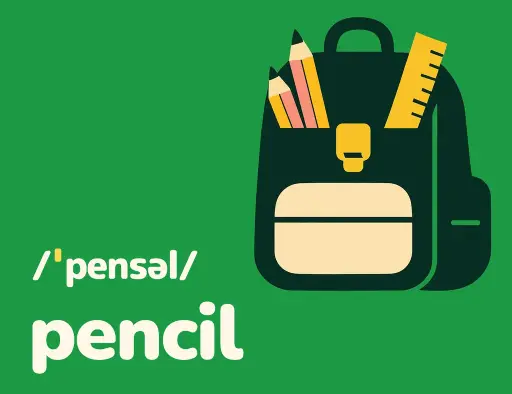
- pencil/ˈpensəl/nounA thin stick for writing, with marks you can rub out.
- school/skuːl/nounA place where children go to learn.
- student/ˈstjuːdənt/nounA person who studies at a school or university.
- teacher/ˈtiːtʃə/nounA person whose job is to help others learn.
- lesson/ˈlesən/nounA period of time when a teacher helps you learn.
- notebook/ˈnəʊtˌbʊk/nounA book with empty pages where you write things.
- subject/ˈsʌbdʒɪkt/nounAn area of study such as maths or history.
- university/ˌjuːnəˈvɜːsəti/nounA place where people study after they leave school.
- board/bɔːd/nounA long flat piece of wood or plastic used for a purpose.
- uniform/ˈjuːnəˌfɔːm/nounA set of clothes worn by everyone in a school or job.
- essay/ˈeseɪ/nounA short piece of writing by a student about one subject.
- introduction/ˌɪntrəˈdʌkʃən/nounThe first part of a book or a talk, before the main part.
- lecture/ˈlektʃə/nounA formal talk that teaches a subject to a large group.
- mark/mɑːk/verbTo give a score to a piece of school work.
- term/tɜːm/nounOne of the periods that a school year is divided into.
- pupil/ˈpjuːpəl/nounA child who is being taught at a school.
- homework/ˈhəʊmˌwɜːk/nounSchool work that a teacher gives you to do at home.
- study/ˈstʌdi/verbTo spend time learning about a subject.
- write/raɪt/verbTo put words on paper or a screen.
- classroom/ˈklɑːsˌruːm/nounA room in a school where students have their lessons.
Unit 2 · Studying & exams
25 слов
- answer/ˈɑːnsə/nounWhat you say or write when someone asks you something.
- learn/lɜːn/verbTo get new knowledge or a new skill.
- question/ˈkwestʃən/nounA sentence that you use when you want to know something.
- read/riːd/verbTo look at written words and understand them.
- understand/ˌʌndəˈstænd/verbTo know what something means.
- exam/ɪɡˈzæm/nounAn important test that shows what you have learned.
- explain/ɪkˈspleɪn/verbTo say things that make an idea easy to understand.
- pass/pɑːs/verbTo do well enough in a test to succeed.
- remember/rɪˈmembə/verbTo bring something back into your mind.
- teach/tiːtʃ/verbTo help someone learn something new.
- course/kɔːs/nounA set of lessons about one area of study.
- fail/feɪl/verbTo not do well enough in a test to succeed.
- practice/ˈpræktəs/nounTime you spend doing something so you get better.
- result/rɪˈzʌlt/nounWhat you get at the end, such as a mark in a test.
- ask/ɑːsk/verbTo say a question because you want to know something.
- difficult/ˈdɪfəkəlt/adjNot easy to do or understand.
- get a good mark/ˌɡet ə ˌɡʊd ˈmɑːk/phraseTo receive a high score for a piece of work.
- clever/ˈklevə/adjQuick to learn and understand new things.
- maths/mæθs/nounA short way of saying the study of numbers and shapes.
- degree/dɪˈɡriː/nounA unit for measuring temperature or the size of angles.
- score/skɔː/verbTo win a point in a game or test.
- experiment/ɪkˈsperəmənt/nounA scientific test that is done to find something out.
- easy/ˈiːzi/adjNot hard to do or understand.
- project/ˈprɒdʒekt/nounA piece of work that takes time and careful planning.
- test/test/nounA set of questions that shows how much you know.
Unit 3 · Subjects & timetable
25 слов
- subject/ˈsʌbdʒɪkt/nounAn area of study at school, such as maths or history.
- art/ɑːt/nounThe making of pictures, music or other beautiful things.
- chemistry/ˈkeməstri/nounThe science that studies what things are made of.
- physics/ˈfɪzɪks/nounThe science that studies heat, light, sound and movement.
- present/ˈprezənt/nounA thing you give to somebody, often on a birthday or a holiday.
- literature/ˈlɪtərətʃə/nounNovels, plays and poems that people value as art.
- break/breɪk/verbTo make something come apart into pieces.
- geography/dʒiˈɒɡrəfi/nounThe study of the earth, its places, rivers and weather.
- history/ˈhɪstəri/nounThe study of things that happened in the past.
- holiday/ˈhɒləˌdeɪ/nounA time when you do not work and can travel or rest.
- language/ˈlæŋɡwədʒ/nounThe system of words that people of one country use.
- music/ˈmjuːzɪk/nounPleasant sounds made by voices or instruments.
- period/ˈpɪriəd/nounA length of time with a beginning and an end.
- science/ˈsaɪəns/nounThe study of the natural world through tests and careful watching.
- sport/spɔːt/nounA physical activity with rules, like football or tennis.
- attend/əˈtend/verbTo go to an event, a class or a meeting.
- biology/baɪˈɒlədʒi/nounThe study of living things such as plants and animals.
- mathematics/ˌmæθəˈmætɪks/nounThe study of numbers, shapes and how they work together.
- register/ˈredʒɪstə/verbTo put a name on an official list.
- absent/ˈæbsənt/adjNot in the place where people expect you to be.
- project/ˈprɒdʒekt/nounA planned piece of work with a clear goal and a set deadline.
- grade/ɡreɪd/nounA mark that shows how good a piece of work is.
- revise/rɪˈvaɪz/verbTo read your work again to get ready for a test.
- correct/kəˈrekt/adjWith no mistakes in it.
- improve/ɪmˈpruːv/verbTo make something better, or to become better.
Unit 4 · Homework & assessment · School buildings & facilities
25 слов
- mistake/mɪˈsteɪk/nounSomething you did in a way that was not right.
- report/riˈpɔːt/nounA written or spoken account of what happened or was found.
- assignment/əˈsaɪnmənt/nounA piece of work that a teacher or boss gives you.
- deadline/ˈdedˌlaɪn/nounThe latest time by which a task must be finished.
- presentation/ˌprezənˈteɪʃən/nounA talk in which you show information to a group.
- feedback/ˈfiːdˌbæk/nounAdvice about how well or badly you are doing something.
- revision/riˈvɪʒən/nounA change made to a text, plan or law so it works better.
- submit/səbˈmɪt/verbTo give a document or plan to someone in authority.
- bus/bʌs/nounA large vehicle that carries many people along a road.
- chair/tʃeə/nounA seat for one person, with a back and four legs.
- gym/dʒɪm/nounA building with machines where people build strong bodies.
- library/ˈlaɪbreri/nounA place with many books that you can borrow.
- office/ˈɒfɪs/nounA room or building where people do paid work at desks.
- equipment/ɪˈkwɪpmənt/nounThe things that you need for a particular activity.
- gate/ɡeɪt/nounA door in a wall or fence that is outside a building.
- hall/hɔːl/nounThe space just inside the front door, or a large public room.
- lab/læb/nounA room where scientists work and do tests.
- bell/bel/nounA metal object that rings when you hit or press it.
- laboratory/ləˈbɒrətri/nounA room where scientists do tests and research.
- corridor/ˈkɔːrədə/nounA long narrow passage inside a building.
- facility/fəˈsɪlɪti/nounA building or service provided for a particular purpose.
- team/tiːm/nounA group of people who play or work together.
- professor/prəˈfesə/nounA teacher of the highest rank at a university.
- group/ɡruːp/nounA number of people or things that are together.
- partner/ˈpɑːtnə/nounA person you do an activity with, such as work or dancing.
Unit 5 · University & career paths
25 слов
- behave/bɪˈheɪv/verbTo act in a particular way, especially towards others.
- discuss/dɪˈskʌs/verbTo talk about something with other people.
- raise/reɪz/verbTo lift something to a higher position.
- answer/ˈɑːnsə/verbSay or write what somebody asked for; it also covers picking up the phone.
- praise/preɪz/verbTo say that someone or something is very good.
- punish/ˈpʌnɪʃ/verbTo make someone suffer because they did something wrong.
- staff/stɑːf/nounAll the people who work in one place of business.
- discipline/ˈdɪsəplən/nounTraining that makes people obey rules and control themselves.
- principal/ˈprɪnsəpəl/nounThe person in charge of a school; also, most important.
- reward/rɪˈwɔːd/nounA thing given to someone for good work or help.
- graduate/ˈɡrædʒueɪt/verbTo finish a degree course and leave a university or college.
- campus/ˈkæmpəs/nounThe land and buildings of a university or college.
- qualification/ˌkwɒləfəˈkeɪʃən/nounAn exam pass or course that shows your level of skill.
- application/ˌæpləˈkeɪʃən/nounA formal written request, for example to get a job or a course place.
- career/kəˈrɪə/nounThe kind of work a person does for many years of their life.
- choose/tʃuːz/verbTo pick one thing from a group of things.
- college/ˈkɒlɪdʒ/nounA place where people study after they leave school.
- future/ˈfjuːtʃə/nounThe time that has not come yet.
- apply/əˈplaɪ/verbTo ask in a formal way for a job or a place.
- fee/fiː/nounMoney you pay for a service or to join something.
- major/ˈmeɪdʒə/adjVery large, important or serious.
- certificate/səˈtɪfɪkət/nounAn official paper that proves a fact about you.
- master/ˈmɑːstə/nounA person with great skill at doing something.
- scholarship/ˈskɒləˌʃɪp/nounMoney given to a student so they can pay for their education.
- admission/ædˈmɪʃən/nounSaying that something bad is true, or the right to enter a place.
Unit 6 · Study skills
16 слов
- tuition/tjuˈɪʃən/nounTeaching given to one student or a small group, or money paid for classes.
- note/nəʊt/nounA short piece of writing that helps you remember.
- organize/ˈɔːɡəˌnaɪz/verbTo plan and arrange an event or a piece of work.
- research/riˈsɜːtʃ/nounCareful study of a subject to find new facts.
- organise/ˈɔːɡənaɪz/verbTo plan and arrange an event, or put things in good order.
- forget/fəˈɡet/verbTo lose something from your memory.
- plan/plæn/nounAn idea about what you will do later.
- focus/ˈfəʊkəs/verbTo give all your attention to one thing.
- progress/ˈprɒˌɡres/nounMovement towards a better or more complete state.
- source/sɔːs/nounThe place or person that something comes from.
- concentrate/ˈkɒnsəntreɪt/verbTo give all your attention to one thing.
- confident/ˈkɒnfədənt/adjSure that you can do things well.
- effort/ˈefət/nounThe hard work that you put into doing something.
- reference/ˈrefərəns/nounA mention of something in speech or in writing.
- summary/ˈsʌməri/nounA short account that gives only the main points.
- motivate/ˈməʊtəˌveɪt/verbTo make someone want to work hard and keep trying.